When purchasing an aircraft, you're not just buying a machine — you're investing in a complex asset with a history, potential hidden issues, and long-term operating costs. That's why a thorough pre-buy inspection is one of the most critical steps in the aircraft acquisition process.
But not all inspections are created equal. So what truly constitutes a good pre-buy inspection? At Clipper Aviation Maintenance, we believe it's a combination of experience, transparency, and a methodical approach tailored to the aircraft type and its operating history.
It starts in the paperwork, not the hangar
The most expensive discoveries in a pre-buy are almost never mechanical. They are documentary. A complete review of the logbooks establishes whether the aircraft's history is continuous or whether there are gaps. Gaps are where value disappears. Damage history, major repairs, engine and propeller overhaul records, and the compliance status of every applicable Airworthiness Directive all need to be reconciled against the airframe in front of you.
Running in parallel, a title and lien search protects against the one category of defect no amount of maintenance can fix. It is inexpensive, it is fast, and skipping it has ended more transactions badly than any corroded spar ever has.
The most expensive discoveries in a pre-buy are almost never mechanical. They are documentary.
Then the aircraft has to be opened up
A meaningful inspection requires access. Panels come off, fairings come away, and the areas that hide corrosion — wing roots, belly skins, control surface hinges, battery boxes and the structure beneath them — are inspected directly rather than inferred. On a type with known trouble spots, those spots get looked at first, because experience on the model is what turns a checklist into an inspection.
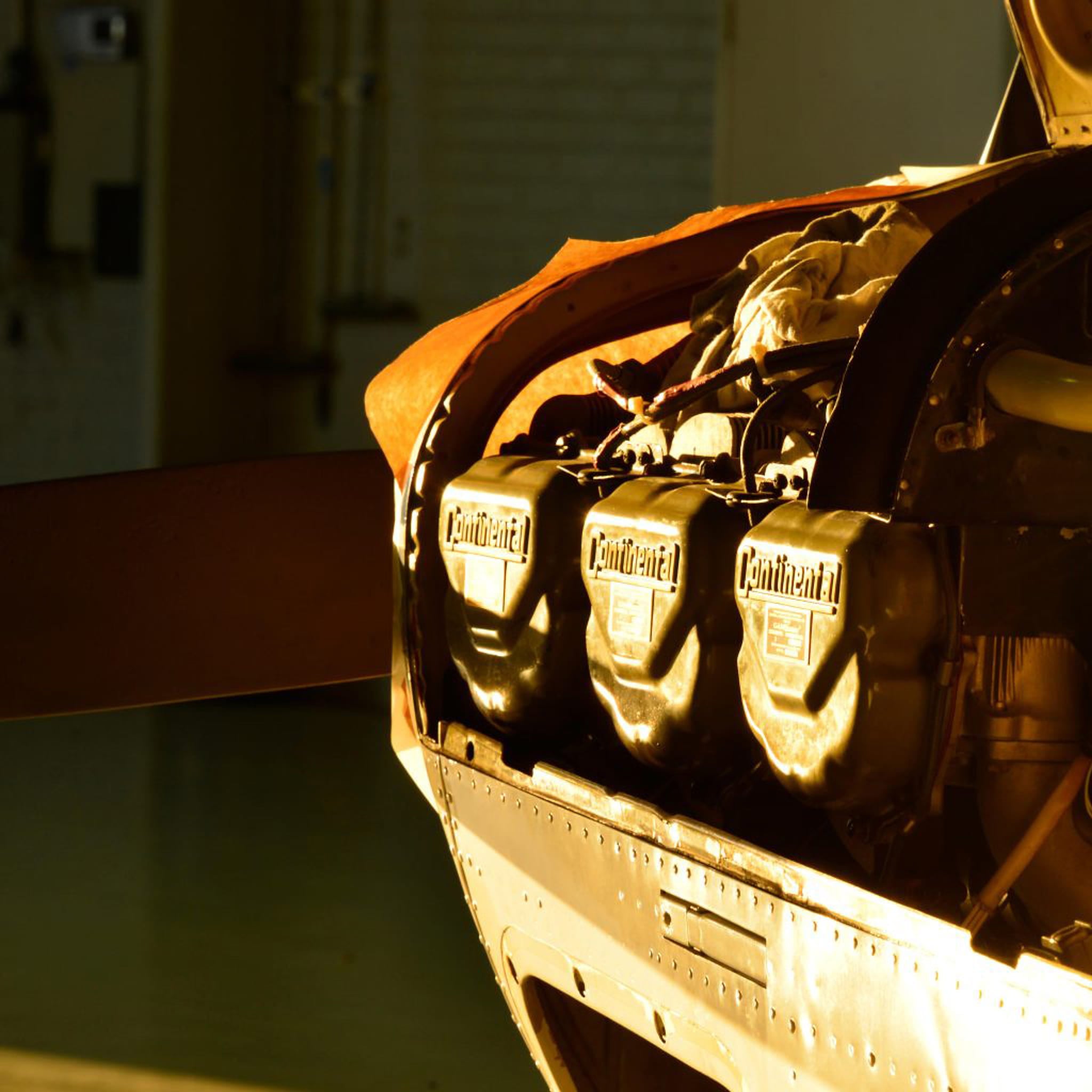
On the powerplant, a borescope of every cylinder and a differential compression check give a defensible picture of engine condition, read alongside oil analysis trends and any available engine monitor data. On turbines, the trend monitoring history and hot section status matter more than any single test run.
Avionics and systems, exercised rather than admired
A panel photograph tells you what is installed. It does not tell you what works. Every system should be powered and exercised: autopilot modes flown or bench-checked, navigation sources sequenced, transponder and pitot-static currency confirmed, and the databases and software revisions checked for whether they are current or about to become an expensive surprise.
The deliverable is a decision, not a verdict
A good pre-buy does not end in a pass or a fail. It ends in a written, photographed list of findings, separated into three groups: items that make the aircraft unairworthy, items that will need money inside the next twelve months, and items that are simply the honest condition of a used aircraft. That separation is what lets a buyer negotiate from fact rather than feeling, and what lets a seller defend their price.
We facilitate dozens of aircraft transactions annually and keep on-staff DARs available to support cross-border deals. If you are considering an acquisition, talk to us before you sign the letter of intent, not after.